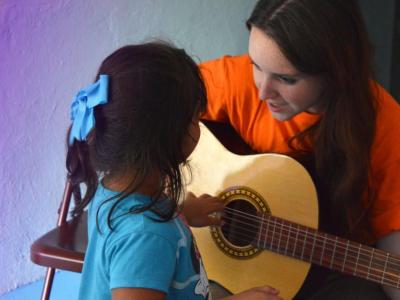
What does a Recreational/Activity Therapist do?
Recreational and activity therapists blend therapeutic engagement in their work, using music, art, dance, drama, sports, and games to help individuals recover from illness or injury, reduce stress, or build community. Unlike clinical therapists, they focus on improving quality of life and functional independence through enjoyment and creativity. Activity therapists are especially valuable in healthcare and community programs that serve diverse populations, including older adults, children and adults with developmental differences, or individuals in residential programs. For Berklee students, this role highlights the intersection between the arts and health—how engaging in arts-based experiences maintain and improve quality of life.
At a Glance
A career in recreational or activity therapy often begins with a bachelor’s degree in music therapy, recreational therapy, or related fields. For Berklee students, coursework in psychology, human anatomy, research, community program development, and arts and health practicum provides a strong foundation for this pathway. Additional certification—such as the Certified Therapeutic Recreation Specialist (CTRS) or Activity Director Certified (ADC) credential—may expand career options. Many professionals start as program assistants or arts facilitators, building hands-on experience before advancing into certified therapy roles. Over time, graduates can pursue leadership opportunities, such as supervising teams, directing wellness initiatives, or specializing in adaptive arts, creative aging, or gerontology, where the arts directly enhance quality of life.
Hospitals, rehabilitation centers, nursing homes, mental health facilities, schools, and community centers employ activity and recreational therapists. There are also opportunities to freelance or consult with nonprofit arts and wellness organizations.
Program planning and facilitation; foundations in music, dance, or visual arts; client assessment and documentation; adaptive tools and inclusive design; knowledge of therapeutic modalities.
Patience, empathy, creativity, adaptability, inclusive leadership, and cultural responsiveness.
Schedules are often full-time, and some positions include evenings and weekends. The work is highly interactive, requiring energy, flexibility, and collaboration with interdisciplinary teams.